English
Insulated Copper Tube

Author: Site Editor Publish Time: 2026-11-04 Origin: Site


When evaluating two-layer vs three-layer pipe insulation, compare the materials and dimensions of each layer, then check the evidence for the performance your project needs. An additional layer may serve as an inner lining or protective surface. Its contribution depends on its material, thickness, and condition after installation.
For HVAC buyers, the decision starts with the copper tube size, operating conditions, required insulation thickness, and exposure during use. A useful quotation identifies the complete construction and the supporting documentation. A sample then helps confirm fit, flexibility, surface condition, and the finished dimensions before bulk approval.
Table of Contents
A two-layer sleeve combines an insulation body with a surface layer. The insulation body provides the main resistance to heat transfer. The surface layer provides the external finish and can carry identification markings. Its protective properties should be checked against the selected material and product specification.
XLBAODI’s two-layer PE pipe insulation for copper tubes lists IXPE, XPE, or PEF material options, subject to the configuration. Buyers should confirm the exact material of both layers and the dimensions of the proposed sleeve.
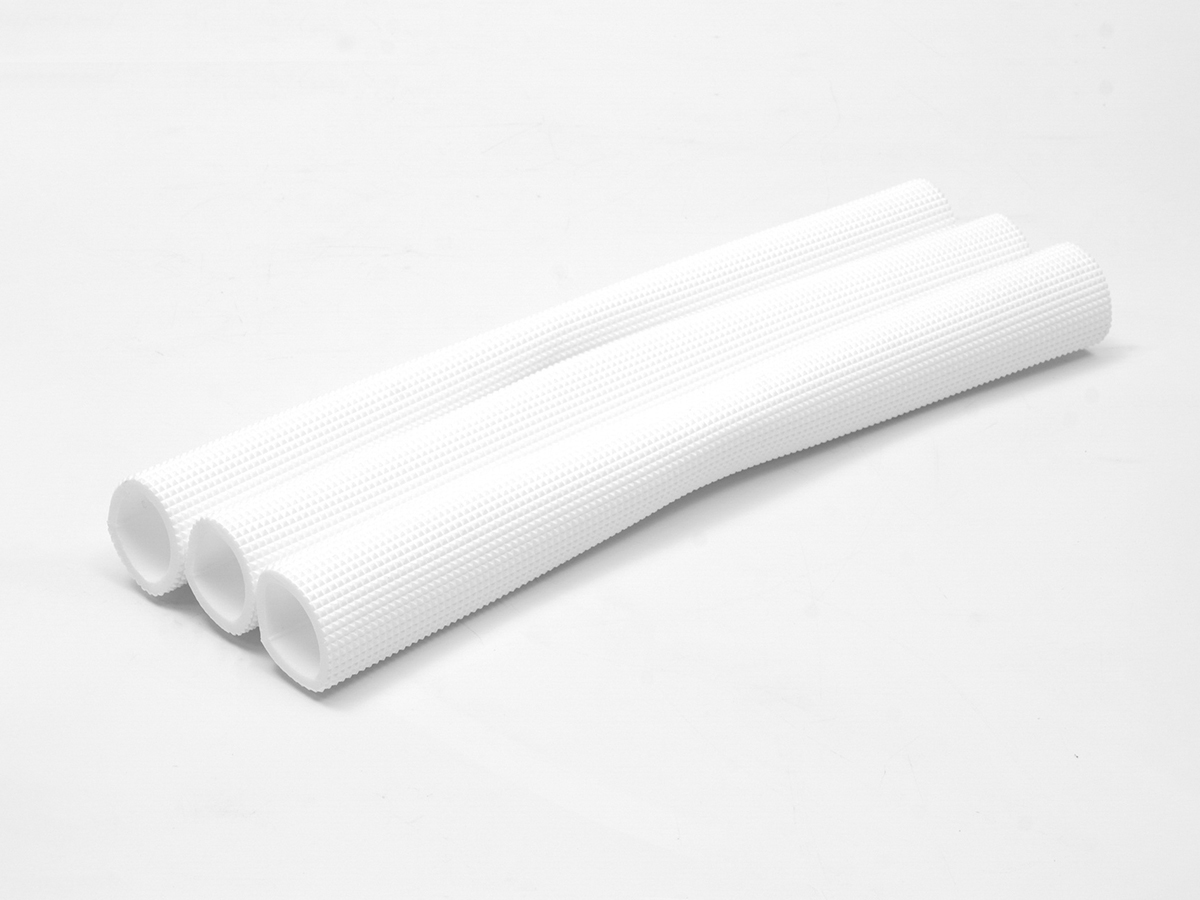
A three-layer sleeve assigns separate positions to an inner lining, an insulating middle layer, and an outer surface. XLBAODI’s three-layer PE insulation product identifies these as an LDPE inner layer, an IXPE middle layer, and a PE outer layer.
For this construction, ask how much of the specified wall thickness belongs to the foam and how the inner and outer layers are measured. This helps you compare two quotations that use the same nominal insulation thickness.

Comparison point | Two-layer PE insulation | Three-layer PE insulation |
|---|---|---|
Construction to confirm | Insulation body and surface layer | Inner lining, insulation body, and outer layer |
Material information needed | Material and specification of both layers | Material and specification of all three layers |
Thickness information needed | Foam thickness and finished wall thickness | Foam thickness, lining and outer-layer thicknesses, and finished wall thickness |
Sample checks | Fit, surface condition, flexibility, and dimensions | The same checks, plus the condition of the inner lining and interfaces |
Purchasing decision | Confirm it meets the project requirements. | Confirm the additional layer contributes to the required construction and performance. |
Layer count describes the insulation sleeve. Single and twin describe whether one or two copper tubes are supplied in the assembly. State both requirements when requesting an insulated copper line set, and confirm the insulation construction for each leg of a twin pair.
Request thermal conductivity data for the proposed insulation material, with the test method, units, and mean test temperature. Compare reports under equivalent conditions. A conductivity value measured at one temperature may differ from the value measured at another.
Also ask whether the report covers the foam material or the finished layered product. A material data sheet helps evaluate the insulation body. The delivered sleeve still needs to meet the agreed dimensions and construction.
Confirm whether the quoted insulation thickness means the foam body or the complete wall, including any lining and surface layer. Where suppliers use different definitions, ask them to provide a section drawing with each layer identified.
Insulation thickness affects both thermal performance and installation clearance. For cold piping, select it using the line temperature, surrounding temperature and humidity, pipe size, and other relevant design conditions. Check the equipment requirements and project specification before accepting a standard thickness.
Surface condensation can form when the insulation surface reaches or falls below the surrounding air’s dew point. The design therefore needs enough insulation for the intended conditions, together with continuous coverage around joints, bends, and terminations.
Ask for water-vapor performance information as well as any water-absorption data. These describe different aspects of moisture exposure. Review the proposed sealing method and how damaged surfaces will be repaired. A continuous sleeve with poorly finished joints can leave the installation vulnerable to moisture entry.
Define whether the insulation will be inside a protected ceiling void, routed through a wall, or exposed outdoors. During handling, the sleeve may face friction at sleeves and trunking. In service, exposed sections may face sunlight, rain, or maintenance access.
For each exposure, request relevant evidence for the actual construction. If outdoor use is intended, confirm the applicable UV or weathering test conditions and whether an additional covering is required. Inspect the sample surface after the handling trial to see whether the outer layer has torn, scuffed, or separated.
Keep copper outside diameter, insulation inside diameter, and finished insulated diameter separate on the specification. Ask the supplier to confirm the intended fit and dimensional tolerances. A nominal size label can be insufficient when deciding whether the sleeve will fit the actual tube.
Trial the sleeve on representative tubing. Check that it can be fitted using the proposed method without excessive stretching or visible damage. At bends, inspect whether the insulation remains continuous and whether the surface wrinkles, splits, or pulls away from an adjacent layer.
Measure the installed profile where the route passes through openings, turns, or enters trunking. A change in wall thickness can affect these clearances even when the bore remains the same. For twin assemblies, obtain the overall width and height as well as the dimensions of each insulated leg.
For repeat projects, use a representative opening and bend to assess the sample. Record the condition after installation so purchasing and site teams have a common reference for acceptance.
State whether you need an insulation sleeve alone or copper tubing supplied with insulation. Include the application, actual copper outside diameter, operating conditions, required thickness, and length. If purchasing a twin line set, list both tube sizes and the insulation requirement for each line.
For a distribution order, include packaging and identification requirements. For a project order, add any route restrictions, outdoor exposure, and documentation required by the project specification.
RFQ item | Information to request or provide |
|---|---|
Construction | Two or three layers, with each layer identified |
Materials | Exact material of the insulation body, lining, and outer surface |
Dimensions | Bore, foam thickness, finished wall thickness, overall dimensions, and tolerances |
Thermal performance | Conductivity data, test method, and test temperature |
Moisture performance | Relevant vapor and water-absorption data, plus the joint-sealing method |
Exposure | Indoor or outdoor location and required protection |
Installation | Representative bends, openings, and any fit restrictions |
Supply details | Length, quantity, color, markings, packaging, and delivery destination |
Align the bore, thickness definition, materials, length, and documentation before comparing prices. Check whether each quotation includes copper tubing, insulation only, or additional accessories. Confirm any costs for special markings, packaging, or testing.
Then compare the practical work involved in fitting and finishing the product. Include handling, joint treatment, and any additional outdoor covering. Where the route is repeated, a sample installation can show whether one construction reduces damage or makes fitting easier.
Keep an approved sample with the section drawing and purchase specification. Check the first delivery for dimensions, surface condition, markings, and consistency with the approved construction.
If a later order changes the foam, lining, outer layer, or thickness, review the affected performance and fit before approval. An unchanged layer count can still accompany a material or dimensional change.

The answer depends on the construction and project requirements. Compare thermal data, thickness, moisture performance, fit, and durability. Ask what the additional layer does and how its contribution has been verified.
Confirm the exact surface material, exposure requirements, and supporting weathering or UV data. Ask whether the selected product needs an additional protective covering for the intended installation.
Any thickness reduction needs to be checked against the thermal and condensation requirements. Obtain comparable data and a suitable design assessment before reducing the specified foam thickness.
Two-layer describes the sleeve construction. A product containing two copper tubes is normally described as a twin assembly. Specify the tube arrangement and insulation construction separately when ordering.
Request the proposed production construction in the required bore and thickness. Include enough length to check fitting, a representative bend, and surface condition after handling. Ask for a section drawing and the relevant technical documentation with the sample.
Comparing insulation for a new project or supply program? Send your tube dimensions and operating requirements to XLBAODI to discuss two-layer and three-layer PE pipe insulation.


